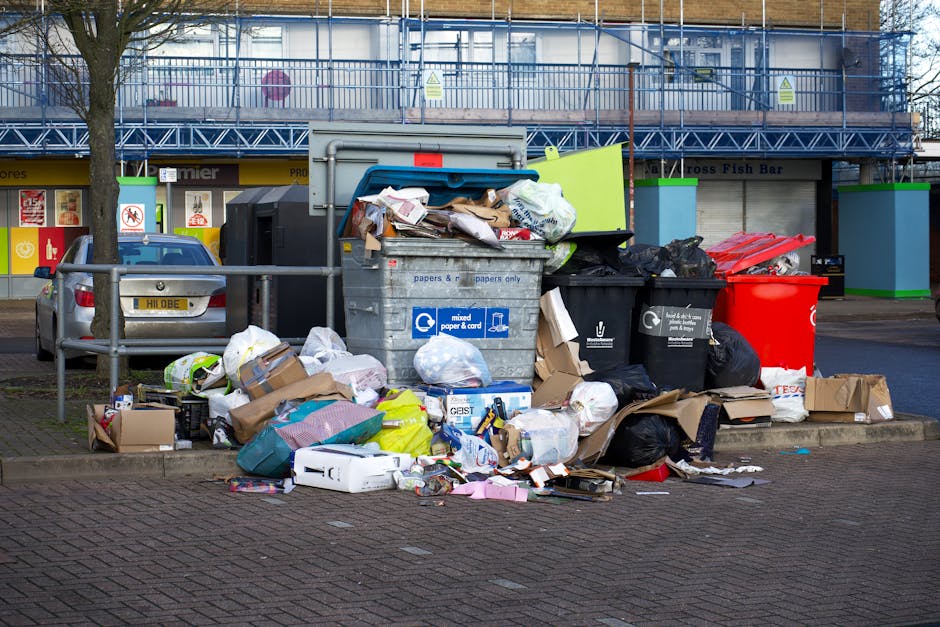
Palmers Green sofa removal and rubbish clearance EN1
Posted on 13/07/2026
Palmers Green sofa removal and rubbish clearance EN1: a practical local guide
If you need Palmers Green sofa removal and rubbish clearance EN1, you are probably dealing with one of those jobs that looks simple at first and then suddenly isn't. A bulky sofa won't fit through the hallway. A broken wardrobe is awkward. Bags of mixed rubbish are piled up after a clear-out, and the bin day is nowhere near close enough. It happens all the time.
In Palmers Green, where many homes have tight stairways, shared entrances, side returns, or limited parking, getting waste out safely can be the hard part. This guide explains how sofa removal and rubbish clearance usually works, what to expect, what to avoid, and how to choose the most sensible option for your home, flat, or business. You'll also find a checklist, a comparison table, and a few straight-talking tips that save time and hassle.
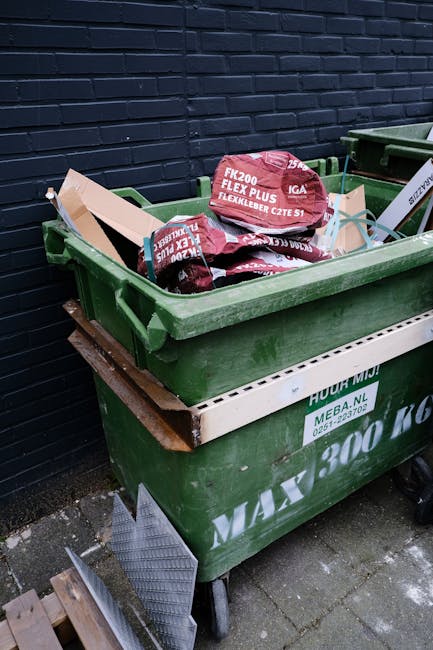
Why Palmers Green sofa removal and rubbish clearance EN1 matters
A sofa is not just "one item" in practical terms. It is bulky, heavy, awkward to grip, and often hard to move without scraping walls, banging banisters, or lifting at a strange angle. Add in other rubbish from a loft, bedroom, flat refit, or end-of-tenancy clear-out, and the job can quickly become more than a quick trip to the dump. Truth be told, the stress is usually bigger than people expect.
Local homes in Palmers Green vary a lot. Some are larger family houses with front gardens. Others are flats above shops, maisonettes, or homes with narrow communal access. That means the same sofa removal job can feel very different from one address to the next. Clearance also matters because leftover waste affects how a property looks and feels. A tidy room is easier to rent, sell, clean, or repurpose. An overcrowded one just drags everything down.
There is also the environmental side. Items that can be reused, recycled, or sorted properly should not just be left to become someone else's problem. If you are dealing with mixed household waste, it may help to read more about recycling and sustainability and why careful disposal matters. And if your clearance includes damaged appliances as well as furniture, the article on the environmental impact of improper disposal of white goods gives useful context.
Expert summary: Sofa removal and rubbish clearance is not just about lifting furniture away. The real value is in safe handling, sensible sorting, proper disposal, and getting your space back without turning the day into a mini disaster.
How Palmers Green sofa removal and rubbish clearance EN1 works
Most clearance jobs follow a fairly simple pattern, though the details vary depending on access, item size, and how much waste is involved. A small one-off sofa collection is different from clearing a whole room after redecorating. Still, the workflow is usually similar.
Typical process
- Assess what needs removing. Start by listing the sofa, any cushions, broken furniture, bagged rubbish, and anything else you want taken away.
- Check access. Think about stairs, lifts, parking, narrow hallways, locked gates, and whether the sofa has to be dismantled.
- Separate items where possible. Keep reusable furniture apart from general rubbish. That makes sorting easier and often avoids confusion on the day.
- Arrange collection. A clear collection window helps everyone plan properly, especially if parking is tight.
- Remove, load, and clear up. The best jobs end with a quick check for stray screws, dust, and packaging.
In practice, the cleaner the prep, the smoother the job. If a sofa is buried under boxes, plant pots, or old bedding, that slows things down. If access is blocked by bikes, shoe racks, or a stubborn side gate that sticks every time it rains, that slows things down too. You get the idea.
For bigger household jobs, the right service may sit alongside broader support such as house clearance in Enfield or rubbish collection in Enfield. If the pile includes old tables, chairs, cabinets, or other bulky items, furniture removal in Enfield is often the natural fit.
What usually gets collected
- Sofas and sofa beds
- Armchairs and recliners
- Footstools and cushions
- Bagged household waste
- Cardboard and packaging
- Broken furniture
- Loose junk from a clear-out
Some items may need separate handling. For example, if your clearance includes old garden clippings, a shed clean-out, or outdoor clutter, garden waste removal in Enfield may be more appropriate for part of the job. Likewise, office furniture belongs in a different category, and office clearance in Enfield makes more sense there.
Key benefits and practical advantages
There are a few obvious benefits to arranging proper sofa removal and rubbish clearance. Then there are the quieter ones people only notice afterwards, once the room is usable again and the air feels a bit lighter.
- Saves physical strain. Moving a sofa solo is a classic way to strain your back or trap a hand against a door frame. Not worth it.
- Reduces the risk of damage. Walls, floors, bannisters, and communal entrances are all easier to protect when heavy items are handled properly.
- Frees up valuable space. A room suddenly feels bigger when the old furniture is gone.
- Supports cleaner sorting. Good clearance helps separate furniture, rubbish, and reusable materials.
- Simplifies moving, redecorating, or letting a property. If you are selling or renting, a clear room photographs better and looks calmer.
There is also a time-saving benefit that is easy to underestimate. Many people spend half a weekend trying to break down furniture, fit it into a car, and work out where it can legally go. That is before they discover it doesn't fit, or the weather turns wet, which in London it often does just when you've chosen the worst possible minute.
If you are in the middle of a move, the local property context can matter too. The posts on moving to Enfield, Enfield real estate: a buyer's guide, and real estate deals in Enfield may help you think about timing and presentation around a sale or rental.
Who this is for and when it makes sense
This kind of service suits a lot of everyday situations. It is not only for people doing a full house clear-out. In fact, some of the most common jobs are small and specific.
It makes sense if you are:
- Replacing a sofa and need the old one gone the same day
- Clearing a flat after tenants move out
- Preparing a room for decorating or new flooring
- Managing inherited furniture and household clutter
- Reducing junk before a move
- Dealing with a bulky item that will not fit in your car
- Clearing mixed rubbish from a garage, loft, or spare room
It also makes sense if you simply want the job done properly without a long personal to-do list. Not every homeowner has the time, vehicle, or energy to wrestle with a three-seater sofa on a Thursday evening. Fair enough.
For landlords, letting agents, and small businesses in the area, the need is often about speed and reliability. A unit can't sit empty with old furniture in the way for weeks. In those cases, broader help like commercial waste removal in Enfield or waste removal in Enfield may be the better fit than a one-item collection.
Step-by-step guidance
If you want the process to go smoothly, the best approach is a little preparation before collection day. Nothing fancy. Just a few sensible steps that make everyone's life easier.
1. Identify everything clearly
Walk through the rooms and note what is being removed. A sofa may be the headline item, but there is often a hidden extra pile: broken lamps, flattened boxes, old cushions, loose paper, and random bits that have quietly accumulated. It all counts.
2. Measure awkward items
If your sofa is oversized or a sofa bed, check whether it will fit through doorways or stairwells intact. If not, ask whether it can be dismantled. A quick measure can prevent a lot of last-minute improvising.
3. Clear a path
Move shoes, plant pots, laundry baskets, and anything fragile out of the route. If access includes a narrow hall or shared entrance, give yourself a bit of breathing room. You will notice the difference immediately.
4. Separate useful from rubbish
Keep reusable furniture, recyclables, and genuine rubbish apart where possible. This is the boring bit, yes, but it stops confusion. It also helps responsible handling later on.
5. Confirm parking and access
In Palmers Green, that can be half the battle. If there is limited street parking or a tight loading point, make a plan in advance. A clear spot outside makes the whole process much quicker.
6. Do a final sweep
Before the team leaves, check corners, under furniture, and behind doors. People forget things in the oddest places. A remote control, a charger, maybe one lonely curtain hook. It happens.
7. Ask about follow-up disposal
If there are separate waste streams, ask how they will be handled. The most useful services are the ones that can explain what happens next in plain English.
Expert tips for better results
After enough clearance jobs, a pattern becomes obvious: the best outcomes usually come from the simplest prep. Not perfection, just a bit of forethought.
- Photograph awkward items before collection. This helps with estimating size, access, and handling needs.
- Keep small rubbish bagged. Loose waste is messy, fiddly, and easy to miss.
- Break down what you safely can. A table removed in pieces is usually easier than one stubborn lump.
- Tell people about stairs, lifts, or low ceilings in advance. Small details matter more than you think.
- Plan around neighbours. Shared hallways and driveways can get crowded fast on school-run mornings or late afternoon.
- Choose sorting over dumping. It may sound obvious, but proper separation supports cleaner disposal and a tidier result.
A small, honest tip: if your "one sofa" job has somehow turned into a three-room clear-out by lunchtime, stop and reassess. That is usually the moment where a proper service becomes the sane choice.
If you want to understand how responsible disposal is approached more broadly, the site's waste carrier licence and compliance information is worth a look. It helps set the standard for what good practice should look like. You can also review insurance and safety and payment and security if you are comparing providers and want a better sense of professionalism.
Common mistakes to avoid
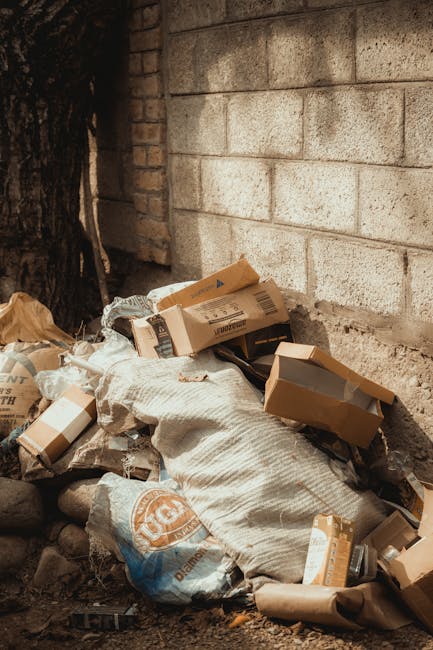
A lot of clearance headaches come from a few common mistakes. None of them are dramatic on their own, but together they can make the job slower, more expensive, or simply more annoying than it needed to be.
- Leaving everything until the last minute. That usually means poor access and more stress.
- Guessing the item size. "It'll probably fit" is not a plan. It rarely is.
- Mixing rubbish with items you want to keep. This creates confusion on collection day.
- Forgetting about parking. A perfectly organised removal can still go wrong if access is blocked.
- Choosing based on price alone. Cheap can be expensive if the job is poorly handled.
- Not checking what is included. Some jobs need extra sorting, lifting, or multiple stops.
Another mistake is assuming all furniture is handled the same way. It isn't. Upholstered furniture, wooden items, mixed waste, and broken household contents may need different treatment. That's why broad services such as furniture disposal in Enfield or domestic waste collection in Enfield can be more suitable than a one-size-fits-all approach.
Tools, resources and recommendations
You do not need a van's worth of equipment for a normal sofa removal, but a few practical things can help.
| Item | Why it helps | When to use it |
|---|---|---|
| Measuring tape | Checks whether the sofa can exit without drama | Before booking or dismantling |
| Sturdy gloves | Protects hands from splinters, staples, and rough edges | Loading and moving |
| Dust sheets | Helps protect floors and nearby furniture | Before moving bulky items |
| Strong bin bags | Keeps loose rubbish tidy and easier to sort | For small household waste |
| Screwdriver or drill | Useful for safe dismantling | Only if furniture can be taken apart safely |
For related jobs, these pages are good places to understand service scope: furniture removal, rubbish collection, and loft clearance in Enfield. If your clear-out includes bulky household goods that are not sofas, the page on white goods and appliance disposal in Enfield is helpful too.
Useful recommendation: before you commit to any clearance plan, decide what needs to leave the property, what can be reused, and what genuinely belongs in mixed rubbish. That simple split makes the whole thing neater.
Law, compliance, standards, or best practice
When you dispose of furniture and mixed rubbish, good practice matters. You do not need to turn into a legal expert, but it is sensible to understand the basics.
In the UK, waste should be handled by reputable operators who can demonstrate proper handling and traceability. If you are paying someone to remove waste, it is wise to check that they act like a professional waste carrier and not just a person with a van and optimistic attitude. That bit matters. A lot.
As a customer, best practice is simple: make sure the waste is collected by a responsible operator, keep clear records if needed for a tenancy, and avoid passing items to anyone who cannot explain what happens next. If furniture or rubbish is fly-tipped after collection, the original owner or householder can end up with stress and questions they really do not want.
For that reason, pages like waste carrier licence and compliance, terms and conditions, and privacy policy can be useful in showing how a provider frames its responsibilities. You might not read them for fun, obviously, but they do signal how seriously a company takes the job.
There is also a practical environmental standard at work here: reusable items should be handled responsibly where possible, and waste should be sorted rather than lazily dumped together. Not glamorous, but sensible.
Options, methods, or comparison table
There is more than one way to clear a sofa and a pile of rubbish. The best option depends on time, access, item volume, and how hands-on you want to be.
| Option | Best for | Pros | Trade-offs |
|---|---|---|---|
| DIY removal | Very small jobs with good access | Low direct cost, full control | Heavy lifting, transport hassle, time-consuming |
| Van hire and self-drop | Confident loaders with a vehicle | Useful for mixed loads | Parking, fuel, loading, and disposal all fall on you |
| Professional collection | Sofas, mixed rubbish, awkward access | Fast, safer, less stress | Costs more than doing it yourself |
| Full clearance service | Rooms, flats, estates, or larger jobs | Most efficient for bigger clear-outs | May be more than you need for one item |
If the job is just one small chair and two bin bags, DIY might be fine. If it is a sofa bed, a stack of rubbish, and a hallway that feels tighter every year, professional collection usually wins. Simple as that.
For context on broader local needs, some readers also benefit from an Enfield Town rubbish removal guide, bulky waste removal advice for Myddelton House, or cheap rubbish collection tips for Ponders End. Different neighbourhood, same basic challenge: bulky items need a plan.
Case study or real-world example
Here is a realistic example based on the sort of job people request all the time. A resident in Palmers Green needs a worn-out three-seater sofa removed after a new one arrives. At the same time, there are three bin bags of mixed rubbish, flattened cardboard, a broken side table, and some packaging from the delivery. The building has a narrow staircase and on-street parking is limited.
On the surface, it sounds like a quick job. In practice, the sofa is heavy, the corner at the top of the stairs is awkward, and the cardboard makes the hallway cluttered. The sensible approach is to clear the route first, separate the small waste into bags, and then deal with the sofa as the main bulky item. Once everything is gathered, loading is quicker and the room is back to normal much faster than if each item were handled separately.
The resident also avoids a common mistake: trying to drag the sofa out before measuring the stair bend. That alone can save a lot of swearing. A little measuring, a little sorting, and a clear path - that's the whole trick, really.
Afterward, the room is open again, the smell of stale upholstery is gone, and the space feels ready for whatever is next. Maybe a fresh sofa, maybe a home office corner, maybe just a bit of breathing room. Sometimes that is worth more than people expect.
Practical checklist
Use this checklist before your sofa removal or rubbish clearance appointment:
- List every item to be removed
- Measure the sofa and any tight access points
- Clear the route from the room to the exit
- Separate keep, recycle, and dispose piles
- Bag small rubbish securely
- Check parking or loading access
- Move fragile items out of the way
- Decide whether furniture needs dismantling
- Confirm any extra bulky items
- Do a final sweep of drawers, corners, and behind doors
If you have mixed waste beyond the sofa itself, it may be worth comparing services overview information with the more specific pages on waste removal and furniture disposal. That helps you match the service to the actual job, not the guess in your head.
Conclusion
Palmers Green sofa removal and rubbish clearance EN1 is really about making a bulky, awkward job simple again. Whether you are clearing one sofa or a whole mix of household waste, the main wins come from sensible preparation, safe handling, and choosing the right method for the space you have.
The key is not to overcomplicate it. Measure the item, clear the route, separate the rubbish, and think about access before collection day. If the job is bigger than expected, or your hallway feels like it was designed by someone with a grudge against furniture, a professional clearance option is usually the calmer route.
Done well, the result is more than an empty room. It is a bit of breathing space, a cleaner home, and one less thing hanging over your week. And honestly, that feels pretty good.
Get a free quote today and see how much you can save.